Heightened Tensions in Eastern DRC Despite Peace Accord as Kenya Bolsters UN Patrols

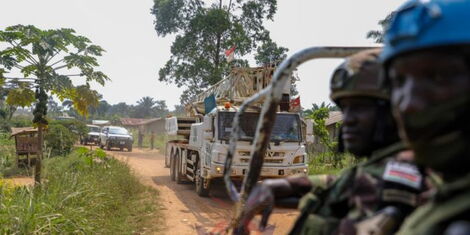
In the rugged terrain of South Kivu, Kenyan peacekeepers are intensifying patrols as a fragile new peace agreement shows signs of fraying just days after its signing. The Kenya Defence Forces’ 5th Quick Reaction Force (KENQRF 5) conducted a long-range security operation through Mayimoya village and its surroundings on December 10, aiming to project strength and reassure civilians in an area plagued by sporadic violence.
The foot and vehicle patrol, which ventured 23 kilometers northeast from their Mavivi base, underscores the immediate challenges facing the international community in the region. According to the KDF, the mission was designed to reinforce United Nations troops and protect Congolese civilians until national forces can assume full security control.
This military presence arrives amid a sharp diplomatic clash between neighboring nations. On Monday, Rwanda issued a formal statement accusing the Congolese Army (FARDC) and the Burundian Army (FDNB) of violating the Washington Accords—a peace deal brokered by U.S. President Donald Trump and witnessed by Kenyan President William Ruto on December 4. The accord was signed by Rwandan President Paul Kagame and DRC President Félix Tshisekedi with the aim of ending years of conflict.
Kigali’s foreign ministry placed responsibility for ceasefire breaches and attacks in South Kivu firmly on the DRC and its allies. “Rwanda condemns the Congolese Army and the Burundian Army, together with its coalition of the DRC-backed FDLR genocidal militias, for systematically bombing civilian villages close to the Rwandan border,” the statement read. It further alleged that Burundi has amassed nearly 20,000 troops in South Kivu, laying siege to Banyamulenge villages in Minembwe in an attempt to starve out residents.
In response, both the DRC and Burundi have leveled their own accusations against Rwanda, claiming it has violated the same agreement.
Rwanda also criticized the international community for its perceived inaction and called for urgent diplomatic measures. “A return to full implementation of the Washington Accords is an urgent priority, as is the conclusion of the remaining annexes of the Doha Agreement between DRC and AFC/M23. This is the most viable path forward for peace, stability and prosperity in the Great Lakes region,” the statement continued.
The situation highlights the complex and volatile security landscape into which Kenyan troops have been deployed. As regional armies trade blame and militant groups remain active, the role of UN peacekeepers has become increasingly critical—and perilous. The patrols by KENQRF 5 represent a tangible effort to create stability on the ground, even as the diplomatic foundation for that stability is tested from above.
Observers now watch to see whether the signatories will return to the negotiating table to address the escalating accusations, or if the recent truce will dissolve amid renewed hostility. For the residents of Mayimoya and surrounding villages, the increased UN presence offers a tentative shield, but the promise of lasting peace remains contingent on decisions made in distant capitals.