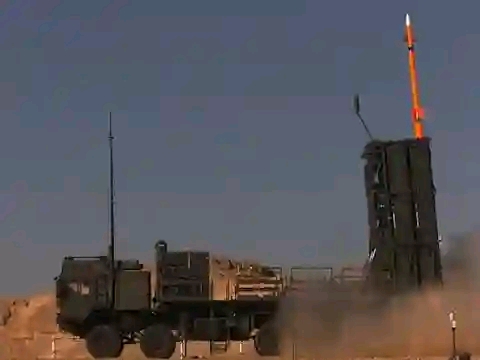
In a landmark move set to bolster East Africa’s aerial security, Kenya has taken delivery of an advanced SPYDER mobile air defense system in a high-profile agreement with Israel. The deal, confirmed this week, marks a significant upgrade to Kenya’s military capabilities amid growing regional drone threats and cross-border security challenges.
The SPYDER system—developed by Israel’s Rafael Advanced Defense Systems—is a cutting-edge, short-to-medium range surface-to-air defense platform designed to detect, track, and neutralize airborne threats, including drones, aircraft, and precision-guided munitions. Known for its rapid deployment and all-weather capability, the system utilizes Python and Derby missiles paired with integrated radar, offering a robust shield against unmanned aerial intrusions.
Reports indicate the arrangement is structured as a loan agreement valued at approximately 3.4 billion Kenyan shillings ($27 million USD), signaling a long-term strategic partnership between the two nations. Israeli security sources described the transfer as both a “security enhancement” and a “strategic investment” in regional stability.
The delivery follows high-level diplomatic engagements between Israeli Prime Minister Benjamin Netanyahu and Kenyan President William Ruto, who have emphasized deepening bilateral ties in defense and technology. According to sources within the Kenya Defence Forces, the system will be deployed to safeguard critical national infrastructure and border regions.

“This is not merely a transaction—it’s a statement,” said regional security analyst Grace Mwangi. “Kenya is proactively securing its airspace at a time when drone technology is proliferating across the continent. Partnering with Israel, a world leader in missile defense, shows Nairobi’s serious commitment to protecting its sovereignty.”
The SPYDER system’s arrival was facilitated by an Israel Defense Forces air cargo aircraft, underscoring the operational urgency of the delivery. Military experts note the system’s particular effectiveness against low-flying drones—a threat increasingly faced by nations in the Horn of Africa.
While officials from both sides have framed the deal within the context of sovereign defense and cooperation, observers note its broader geopolitical significance, potentially positioning Kenya as a key security anchor in a volatile region.
Neither the Kenyan nor Israeli government has disclosed specific deployment locations or operational timelines, but training programs for Kenyan personnel are believed to be underway.