JUSTICE FOR RUTO’S GOVERNMENT TO FOREIGNERS:A WAKE-UP CALL FOR AFRICA BENEFITING MAURITIAN INVESTOR OMNICANE

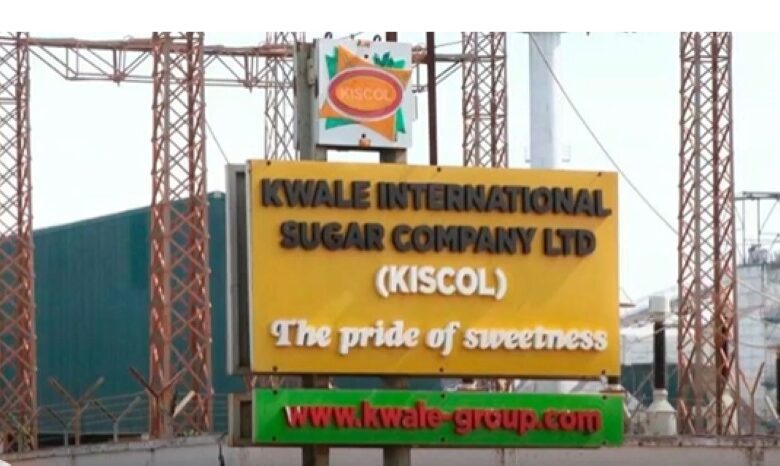
In a stunning blow to government credibility, the Kenyan High Court has ordered the state to pay a staggering Sh24 billion (over $200 million) to Kwale International Sugar Company Limited (KISCOL), exposing deep-rooted failures, reckless land mismanagement, and a blatant disregard for investor rights.
This landmark ruling sends shockwaves across Kenya’s investment landscape and raises urgent questions about the country’s commitment to the rule of law as well as its much touted assurances and pledges to attract and assist investors set up shop in the country.
Justice Florence Wangari’s verdict reveals a litany of government negligence that nearly sunk a $300 million agriculture project launched in 2007. KISCOL, a formidable partnership between Mauritian giant Omnicane Limited and Kenya’s Pabari Group, aimed to revolutionize Kwale County’s economy. Instead, it became a cautionary tale and classic advisory against government’s apparent incompetence.
Despite securing a 15,000-acre lease, the company was immediately besieged by land invasions led by squatters claiming ancestral rights. The government’s failure to enforce eviction orders or secure the land was nothing short of catastrophic. Instead of protecting the investor, authorities turned a blind eye as invaders occupied and claimed vital portions of the project land.

Adding insult to injury, the government carved out around 1,000 hectares of the leased land for mineral extraction by Base Titanium—without offering KISCOL any compensation or alternative land. This reckless move effectively crippled the project, forcing the company into repeated financial crises as it was unable to utilize nearly half of its land.
While the government claimed it had delivered vacant possession, the court dismissed these excuses outright. Justice Wangari emphasized that “quiet and peaceful possession” is fundamental to any investment—an essential principle the government blatantly and flagrantlu ignored.
KISCOL’s legal team, led by Benson Musili, called the ruling a “monumental victory,” stressing that the court’s decision affirms that government commitments are not optional.
“This is a wake-up call for Kenya, a message that even the State cannot escape accountability when it breaches lawful obligations,” Musili declared.
The ruling exposes the government’s negligent handling of land rights and its failure to safeguard investor investments, raising serious concerns about Kenya’s attractiveness to foreign capital. The country’s reputation as a predictable investment destination has been badly exposed by this ruling.
While the dispute predates President William Ruto’s administration, the court’s decision arrives at a critical juncture. It underscores that Kenya’s legal system will hold the government accountable—no matter how powerful or influential—when it fails to honor contracts and land rights.
The government now faces a deadline of 14 days to appeal. But this ruling is a stark warning: Kenya must urgently reform its land management practices and uphold the rule of law if it hopes to rebuild investor confidence.
This explosive court decision exposes the government’s blatant failures, from land invasions to reckless resource allocations, and affirms that Kenyan courts will stand firm in defending investor rights. The Sh24 billion award is not just compensation—it’s a powerful message that Kenya’s government must change its ways or face the consequences.