Was He Really “Too Afraid” to Face Uhuru’s Crowd Love?
A major political storm is brewing after President William Ruto’s notable absence from the funeral of former Lugari MP Cyrus Jirongo, with a leading analyst dropping a bombshell claim: the President skipped it to avoid watching his predecessor, Uhuru Kenyatta, get a warmer reception.
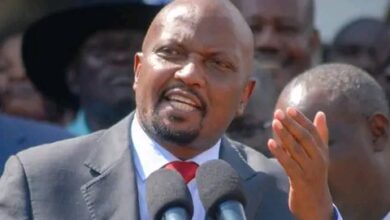
Political analyst Mary Njoroge has ignited fierce debate by suggesting Ruto’s no-show wasn’t about a busy schedule, but about bruised ego and political calculus. In a sharp assessment, Njoroge alleged the President “could not face” the prospect of seeing Uhuru Kenyatta celebrated more enthusiastically by the massive crowds in attendance.
“The burial presented a politically sensitive environment,” Njoroge stated, framing it as a personal and political decision rather than an official one. “His ego could not allow him to see Uhuru being loved more than him.”
The Scene That Sparked the Fire
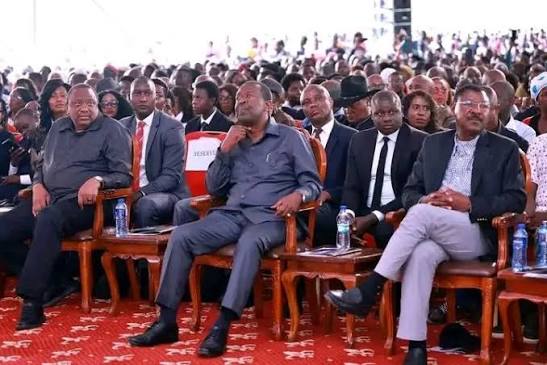
By all accounts, the ceremony was a major event, drawing large crowds and a who’s-who of Kenyan political figures. The focal point, however, became the rapturous welcome for former President Uhuru Kenyatta. Observers and multiple reports described a stark contrast in the crowd’s engagement, with Uhuru receiving significant, energetic attention from mourners.
In a detail that has fueled the analyst’s claims, representatives linked to the current administration reportedly had a subdued presence, with “limited interaction from attendees.” One pointed commentary noted, “his men were reduced to zero and nobody cared about government officials.”
A Mirror to Political Rivalries?
The absence has ripped the lid off the simmering tensions between the current and former administrations. It transforms a state function into a stark symbol of the public’s perceived affections and the complex shadows cast by past leadership.
President Ruto’s office has not publicly detailed the specific reasons for his absence, leaving a vacuum quickly filled by speculation and analysis like Njoroge’s. The event has undoubtedly renewed discussions about the delicate and often fraught relationship at the very top of Kenyan politics.
What Happens Next?
This incident is more than just gossip; it’s a potential barometer for political capital and public sentiment. As the debate rages online and in commentary circles, all eyes will be on how—or if—the presidency addresses the narrative and how this moment influences the public perception of the two leaders’ legacies.
One thing is clear: in the theater of Kenyan politics, even an absence can become the main event.
What’s your take? Was the President’s absence strategic, personal, or simply a scheduling conflict? Sound off in the comments below, follow for updates, and share this story to join the conversation.