U.S. Special Forces Deploy to U.K. in High-Stakes Chase of Sanctioned “Shadow Fleet” Tanker

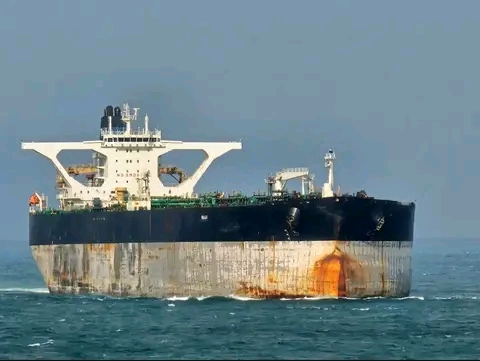
In a dramatic escalation of international sanctions enforcement, U.S. special operations forces have touched down at a British airbase, launching a multinational hunt for a rogue oil tanker racing across the North Atlantic toward Russia.
The vessel at the center of the operation, the Marinera, is a chameleon of the high seas. Formerly named the Bella 1, and having flown Guyanese and Panamanian flags, it now sails under a Russian ensign. U.S. authorities identify it as a key part of the illicit “shadow fleet”—a network of vessels used to clandestinely transport oil, evading global sanctions.
The tanker’s journey reads like a thriller. Last month, it reportedly slipped through a U.S. naval blockade near Venezuela, a move attributed to the Trump administration’s pressure campaign on Caracas. Now, having resurfaced on tracking systems approximately 500 miles west of Ireland, its destination appears to be a Russian port.
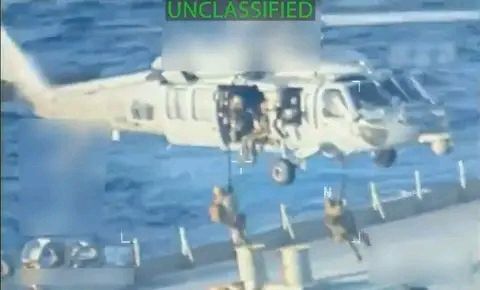
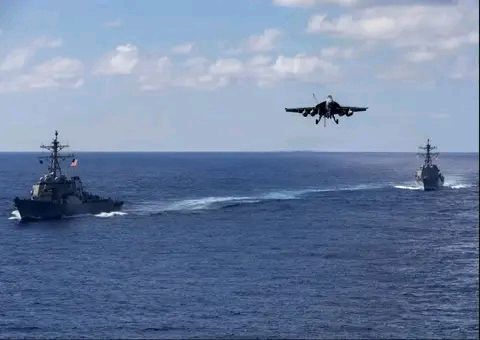
Responding to the threat, the Pentagon has initiated an unprecedented peacetime operation on British soil. Cargo planes laden with specialized helicopters from the elite 160th Special Operations Aviation Regiment—the famed “Night Stalkers”—have arrived at RAF Fairford in Gloucestershire. The deployment includes Black Hawk and Chinook helicopters, equipped for missions that could involve fast-roping soldiers onto the 1,100-foot moving vessel in challenging open-ocean conditions.

“The arrival of these assets underscores the serious commitment to interdicting sanctions-busting activity that funds regimes of concern,” a senior NATO diplomatic source commented, speaking on condition of anonymity. “This is about enforcing international law on the open ocean.”
The operation highlights the growing challenge posed by the shadow fleet, which analysts say has expanded to service Iran, Venezuela, and Russia, allowing them to export oil despite Western embargoes. These vessels often operate with obscured ownership, frequently switch flags, and use tactics like disabling transponders to avoid detection.
Maritime security experts warn that forcibly boarding such a large tanker in the volatile North Atlantic poses significant risks. “This isn’t a calm harbor. The weather, the sea state, and the sheer size of the ship make any potential boarding operation extremely hazardous,” said former Royal Navy officer Anya Petrovich. “It signals that Washington is willing to take substantial operational risks to make a point.”
The British Ministry of Defence has acknowledged the U.S. deployment as part of “routine joint exercises and ongoing security cooperation,” but has not commented directly on the Marinera chase. The Kremlin has yet to issue a statement regarding the tanker reportedly sailing under its flag.
As the world watches, the high-speed chase continues, transforming the grey waters of the North Atlantic into a new front line in the covert war over global energy sanctions.