Rusted machinery stands frozen. Empty roads stretch toward the Indian Ocean. What was sold as progress now feels abandoned, haunted by a question Kenya cannot shake: who truly holds power when billions quietly change hands?
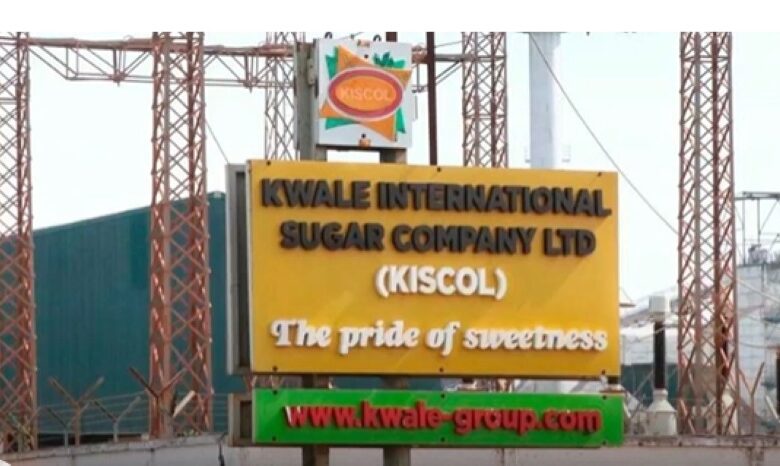
That question hangs over the Sh24 billion court payout to Kwale International Sugar Company Limited (KISCOL) – and over the men and networks critics say made such an outcome almost inevitable.
Two men, KISCOL’s directors Harshil Kotecha and Kaushik Pabari, have been mentioned as ruthless and as having played a big role in killing the farmers’ dreams.
Conniving

To the casual observer, Harshil Kotecha projects restraint. Slim. Soft-spoken. Publicly devout. His social media presence leans heavily on faith and family.
The image is deliberate, critics say – a cultivated portrait of humility masking enormous wealth and influence.
Yet workers and farmers paint a starkly different picture. They describe a man they say is calculating and unyielding, one who understands how power operates in Kenya and how quietly it can be deployed.
Allegations persist that KISCOL failed for years to remit statutory deductions, including NSSF, even as operations staggered on. Authorities were petitioned. Complaints were filed. But enforcement never came.
To critics, this absence is not accidental. It is the first sign of insulation.
The strategist in the shadow
If Kotecha represents the public persona, Kaushik Pabari is characterised by insiders as the ruthless strategist. He is aloof, private, and rarely seen, yet possesses deep connections.
Former workers allege that he openly belittles African labourers in private settings, regarding them as disposable.
What is not disputed is Pabari’s fluency in the system. Critics say he understands Kenyan power not as an obstacle, but as a tool.
He has been quoted privately, according to multiple sources, describing corruption as “the fourth factor of production”. He regards corruption as a constant rather than a scandal; it is an unchanging element in the system.
To those on the ground in Ramisi, that mindset explains everything that followed. He has also managed to compromise most of the local activists and the mainstream media.
Capture without handcuffs
The KSh24 billion ruling did not emerge in a vacuum. Nor, critics argue, did the state’s decision not to appeal.
Affected farmers and legal experts note the government had a narrow but clear window to challenge the award. It chose silence instead.
No public justification followed. No internal review was announced. No independent audit was ordered.
For affected farmers, this was the moment hope collapsed. Many now believe the contest was decided long before the gavel fell: not in open court, but through quiet influence that ensured the case would meet minimal resistance.
They describe it not as justice denied, but justice pre-negotiated.
Silence of leaders
Equally striking is the silence of coastal political leaders, including MPs, MCAs, and local power brokers. While they are vocal on other issues, they have been conspicuously absent regarding KISCOL.
Parliamentary records show little sustained engagement. Press conferences have avoided specifics. Public outrage has been met with deflection.
Rumours persist that some leaders are financially compromised, retained to ensure calm while their constituents suffer.
Whether true or not, the effect is the same: a political vacuum where representation should be.
In Ramisi, that silence is interpreted as surrender.
Almost invincible cartel
Together, critics say, these elements form something more than a company. More than a failed project.
They describe a cartel ecosystem – business interests shielded by political inertia and judicial finality, operating with near-impunity.
Workers protest. Nothing happens. Farmers petition. Nothing changes. Billions are awarded. The State complies.
The contrast is jarring. Labour laws go unenforced. Salaries remain unpaid. But compensation to a powerful corporate entity is processed with remarkable speed.
To many Kenyans, the message feels unmistakable: power determines urgency.
Hopeless farmers
In Ramisi today, farmers no longer speak of justice with anger. They speak of it with resignation. The pursuit itself feels exhausting. Futile. Almost naïve.
They watch as public money flows upward while their own losses remain uncounted.
They see courts invoked to protect capital, not communities. And they draw a bleak conclusion: that some interests are simply too embedded to challenge.
The sugar fields remain. The promises do not.
The anatomy of the KSh 24 billion rulling
The KSh 24 billion award ruling to KISCOL, delivered in early December, found the government liable for breaching its lease agreement with KISCOL by failing to guarantee “quiet and peaceful possession” of land allocated for a sugar project in Kwale County.
The court concluded that squatters, overlapping ancestral claims and the government’s own decision to allocate parts of the land to mining operations made the project commercially unviable.
The damages were substantial, amounting to approximately KSh 24 billion.
This figure encompasses sunk costs, refinancing penalties, and lost commercial opportunities.