Treasury Assures Kenyans of Stable Fuel Prices Despite Landmark Pipeline Privatisation

Treasury Cabinet Secretary John Mbadii has moved to allay public fears, dismissing suggestions that the historic privatisation of the Kenya Pipeline Company (KPC) will lead to an increase in fuel prices. He gave firm assurances that the costs of key petroleum products petrol, diesel, and kerosene will remain stable following the sale.
Speaking during a television interview, CS Mbadii emphasised that Kenya’s regulatory framework ensures price stability irrespective of KPC’s change in ownership. “Many people have been asking whether, after privatising KPC, the prices of petrol will go up. No, they cannot. We still have EPRA determining pricing, and there are other frameworks in the market to ensure compliance,” he stated.
He clarified that KPC’s mandate is strictly limited to the transportation of fuel and that the company plays no role in setting the retail prices of petroleum products. Mbadii further assured the nation that the cost of transporting fuel would not rise post-privatisation, underscoring the continued robustness of the country’s regulatory environment.
The Cabinet Secretary highlighted the collaborative role of Kenya’s key institutions, including the Energy and Petroleum Regulatory Authority (EPRA), the Competition Authority, the Nairobi Securities Exchange (NSE), and the Capital Markets Authority (CMA), in enforcing pricing regulations and preventing any unjustified surges.

Mbadii also pointed out that the government will retain a 35 per cent stake in KPC, maintaining its position as the largest single shareholder with significant influence over corporate decisions.
In a significant disclosure, the CS outlined the destination for the proceeds from the privatisation, noting that the funds would not be used for salaries or debt repayment. Instead, 90 per cent of the revenue generated will be directed to the National Infrastructure Fund to support developmental projects.
This assurance comes as the government formally unveils the Kenya Pipeline Company Initial Public Offering (IPO) on the Nairobi Securities Exchange. Billed as the largest IPO ever in Kenya and the country’s first fully electronic public offer, the sale opens a one-month subscription window from January 19 to February 19, 2026.
The offer involves the sale of 65 per cent of KPC’s issued ordinary shares to local and international investors at a price of Ksh9 per share, a move expected to raise approximately Ksh106 billion. This initiative marks a pivotal moment in the government’s broader privatisation programme, opening public ownership in one of the nation’s most strategic energy infrastructure firms.
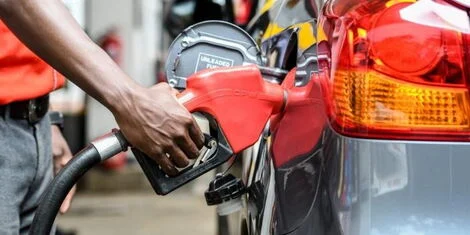
Currently, EPRA’s latest pricing review sets the maximum retail prices in Nairobi at Ksh182.52 for Super Petrol, Ksh170.47 for Diesel, and Ksh153.78 for Kerosene. The Treasury’s message is clear: these figures are not expected to be affected by the change in KPC’s ownership structure.