In a diplomatic breakthrough, Moscow agrees to stop enlisting Kenyans but insists existing fighters joined willingly
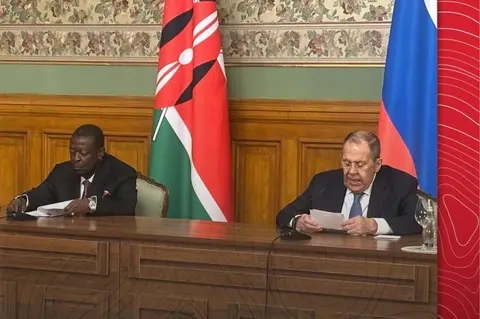
Kenya’s government has secured a commitment from Russia to suspend the recruitment of Kenyan citizens to fight in the war against Ukraine, following high-stakes talks in Moscow between Foreign Minister Musalia Mudavadi and his Russian counterpart, Sergey Lavrov.
The agreement marks a significant diplomatic intervention amid growing concerns about Kenyans being drawn into one of the world’s deadliest conflicts. However, the deal’s immediate impact remains limited to halting future recruitment rather than addressing the fate of those already on the frontlines.
Russian Foreign Minister Sergey Lavrov maintained during the discussions that Kenyans who have joined Russian forces did so of their own accord, signing contracts with the Russian army without coercion. This characterization presents a formidable obstacle for Kenyan authorities seeking to bring their citizens home.

By framing these individuals as voluntary military contractors rather than trafficking victims or deceived recruits, Moscow has effectively complicated any efforts toward rescue missions or special repatriation programs. The distinction matters legally and diplomatically—voluntary soldiers cannot easily claim the protections afforded to trafficking survivors or civilians caught in conflict zones.
Mudavadi announced that Kenya has arranged consular support through the Defence Ministry to assist Kenyans currently in Russia who may require help. This assistance includes facilitating hospital visits and providing other support through proper diplomatic channels.
For Kenyan families worried about loved ones reportedly fighting in Ukraine, these consular arrangements offer a thin thread of connection to an otherwise opaque situation. Questions remain about how many Kenyans are currently fighting, their conditions on the battlefield, and whether any wish to return home but cannot.
The agreement walks a careful line between the two nations. Russia avoids outright admission that it has been recruiting foreign fighters through questionable means, while Kenya secures a commitment that its citizens won’t continue to be drawn into the conflict going forward.
Yet for Kenyans reportedly already deployed, the path home remains uncertain. With Russia insisting they are voluntary soldiers, any Kenyan wishing to return would likely need to navigate complex military contract issues and potentially face desertion charges—all while a war rages around them.
The development raises uncomfortable questions about how these Kenyans ended up on European battlefields in the first place, and what responsibilities both nations bear for their safety. As diplomatic channels slowly open, their families can only wait and hope that the suspension of future recruitment might eventually lead to discussions about those already serving.