
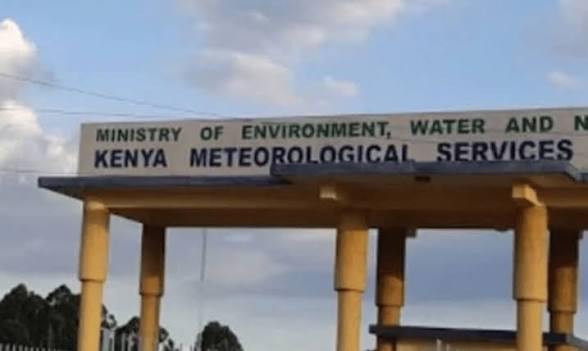
The Kenya Meteorological Department has issued a fresh warning to farmers across the country: hold off on planting during the first half of April, or you risk losing everything.
In its Monthly Agrometeorological Bulletin for April 2026, released on April 4, the department makes it clear that while this month is supposed to mark the peak of the long rains season, the reality on the ground will be anything but consistent.
“April 2026 is expected to mark the peak of the long rains season, though rainfall will be slightly depressed during the first half of the month and enhanced towards the end,” Kenya Met stated.
That means the first two weeks will see significantly suppressed rains—conditions that could wipe out newly planted crops if farmers act too soon.
A Mixed Picture Across the Country
The bulletin paints a patchy forecast for different regions. Near-average rainfall is expected in several high-potential farming zones, including Nyeri, Kirinyaga, Murang’a, Nyandarua, Kiambu, Meru, Embu, Tharaka Nithi, Nairobi, Laikipia, Busia, Migori, Kisumu, Siaya, and Homa Bay. For farmers in these areas, there’s reasonable hope once the rains finally settle in later this month.
But even then, Kenya Met is urging everyone—regardless of where they farm—to lean heavily on short-term weather forecasts for daily decisions. This long rains season, the weatherman says, is shaping up to be uneven but highly consequential.
Drainage, Pests, and Flooding Warnings
For farmers in wetter, high-rainfall areas like the Highlands and Lake Victoria Basin, the message is clear: reinforce your drainage systems now. Once the heavier storms arrive toward the end of April, waterlogging and root damage become very real threats.
Pest and disease pressure is also climbing. The department warns that rising humidity will likely trigger outbreaks of crop pests and fungal diseases. Farmers are being told to scout their fields regularly and act fast at the first sign of trouble.
“Farmers should align planting with the improving rains, weed crops, ensure good drainage in wetter areas, and practice water conservation in drier regions,” Kenya Met urged.
Flooding remains another major concern. Areas that were already hit in March remain on high alert. The bulletin explicitly warns that renewed flooding is possible once the heavier late-April rains begin.
A Season to Navigate Carefully
Kenya Met is calling on all farmers—whether in tea zones, maize-growing lowlands, or arid northern regions—to stay alert for storms, flooding, and pest or disease outbreaks. Regular weather updates, they stress, should guide every farm activity this month.
The bottom line? Patience for the first two weeks. Preparation for what comes after. And eyes on the forecast every single day.