Confusion at Burial Ceremony as Murder Suspects Finally Start Telling People Why They Killed Daddy

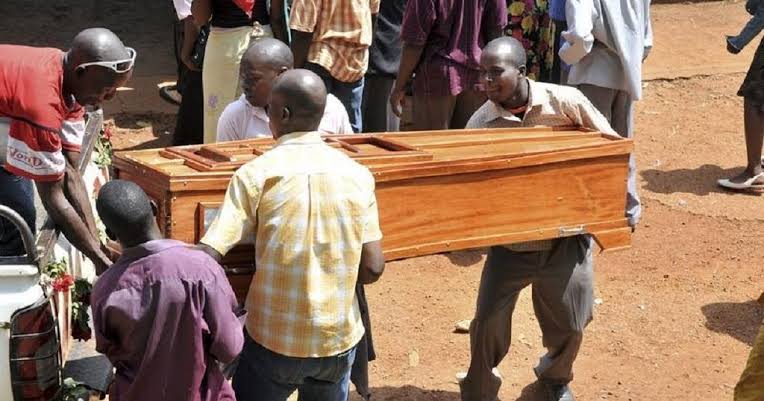
Shock and disbelief gripped residents of Kamagambo village as a burial ceremony turned into a scene no one will forget. What was meant to be a quiet farewell for a beloved father suddenly became a moment of fear, tears, and confusion when the suspected killers openly began revealing why they ended his life. Many mourners said they had never witnessed anything so frightening during a burial.
The deceased, known by many as “Daddy”, was a respected family man, farmer, and community elder. He was found dead three weeks earlier under mysterious circumstances, his body discovered near his homestead with signs of struggle. Since then, the village had been living in fear, whispering names but afraid to speak openly. Police arrested two suspects believed to be close relatives, but they had remained silent—until the day of the burial.
As the coffin was lowered and family members cried uncontrollably, tension filled the air. Suddenly, the two suspects, who had been released temporarily under police supervision to attend the burial, began behaving strangely. Witnesses said their faces changed, their voices trembled, and they started shouting uncontrollably. People stepped back in fear as one of them screamed, “We didn’t want to do it… but he forced us!”